Freelancers often juggle multiple hats—creative genius by day, business mogul by night. Yet amidst the hustle and bustle, one thing can trip them up: invoicing. It’s like trying to find a needle in a haystack while blindfolded. But fear not! With the right invoice example, they can turn that daunting task into a walk in the park.
Imagine sending an invoice so clear and professional that clients can’t help but pay on time. No more awkward “Did you get my invoice?” emails. Instead, they’ll be marveling at the elegance of your billing prowess. Dive into the world of invoicing and discover how a well-crafted template can make life easier, boost cash flow, and keep those creative juices flowing. Who knew invoicing could be this fun?
Understanding Invoices
Invoices play a critical role in a freelancer’s business. They serve as formal requests for payment, detailing services rendered and amounts owed.
What Is an Invoice?
An invoice is a financial document that outlines a transaction between a freelancer and a client. It includes essential details such as the freelancer’s name, client information, service descriptions, pricing, and payment terms. Invoices often feature a unique identification number for tracking purposes. They provide a reference point for both parties, ensuring clarity regarding payment expectations. Freelancers benefit from providing itemized breakdowns of their work, helping clients understand what they are paying for.
Why Are Invoices Important for Freelancers?
Invoices are vital for maintaining professional relationships. They create a record of services provided, fostering accountability between freelancers and clients. Timely invoicing leads to improved cash flow, allowing freelancers to manage their finances effectively. Invoices also aid in tax preparation, as they document income and expenses. Clients appreciate receiving clear and concise invoices, enhancing overall satisfaction and trust. By implementing consistent invoicing practices, freelancers can streamline their business processes and facilitate faster payments.
Invoice Components
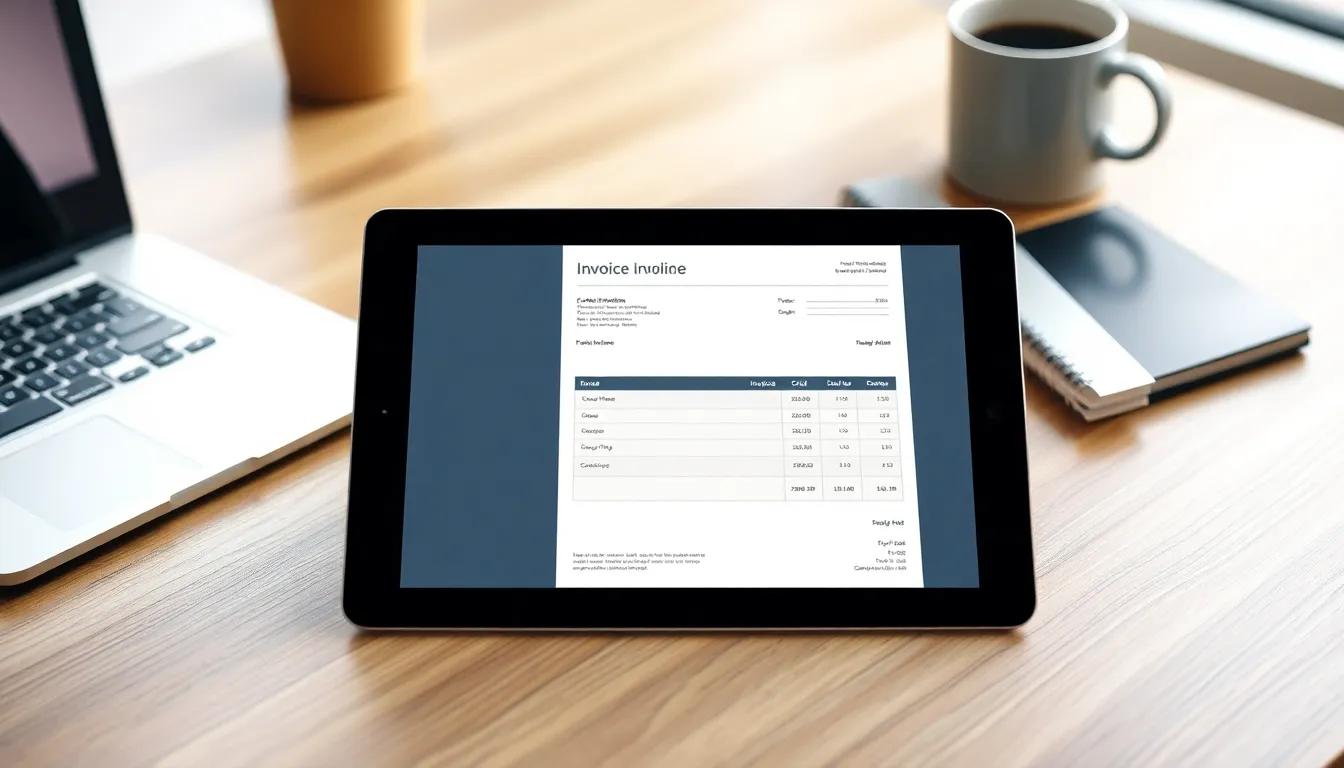
Invoices contain specific components that ensure clarity and professionalism. Understanding these components helps freelancers create effective invoices that facilitate smooth transactions.
Essential Elements of an Invoice
The core elements of an invoice include the freelancer’s name and contact details. Client information, such as name and address, plays a significant role in ensuring the invoice reaches the right recipient. Invoice numbers provide unique identifiers, aiding in organization and tracking. Service descriptions specify what tasks were completed, allowing clients to understand the charges. Pricing clearly outlines the costs associated with each service or item rendered, enhancing transparency. Payment terms, including due dates and accepted payment methods, are crucial as they inform clients of when and how to pay.
Optional Features to Consider
Freelancers can enhance invoices with several optional features. A logo adds a personalized touch, reinforcing brand identity. Itemized billing breaks down services or products, offering clients a detailed view of charges. Discounts or promotions can incentivize early payments, improving cash flow. Terms and conditions clarify policies related to late fees or refunds, reducing potential disputes. Adding a note of appreciation fosters goodwill, strengthening client relationships and encouraging repeat business.
Invoice Example for Freelancer
Creating a clear invoice is essential for freelancers. It not only facilitates payment but also reflects professionalism.
Sample Invoice Template
A sample invoice template offers freelancers a structured format to present their services. Key components generally include the freelancer’s name, client information, invoice number, service descriptions, pricing, and payment terms. Utilizing a clean layout enhances readability, allowing clients to quickly access the information they need. For instance, a simple invoice can divide service sections with clear headers, making it easy to identify charges.
Breakdown of Each Section
Understanding each section of an invoice provides clarity and professionalism. Start with the freelancer’s name and contact details, ensuring easy identification. Include client information next, specifying the recipient’s name and address. Each service description follows, detailing tasks completed along with the corresponding prices. Pricing clarity eliminates confusion. Add a unique invoice number for tracking, and specify payment terms to inform the client of due dates and payment methods. An organized invoice reduces disputes and improves cash flow.
Tips for Creating Invoices
Crafting invoices can influence a freelancer’s cash flow and professional image. Following certain guidelines enhances clarity and efficiency.
Best Practices for Freelancers
Select an invoice template that reflects professionalism. Include all necessary details like name, contact information, and unique invoice numbers. Use clear language to describe services and pricing. Specify payment terms prominently to set clear expectations. Send invoices promptly after completing services to encourage timely payments. Maintain consistency in format for easy recognition by clients. Clearly label additional charges or discounts to avoid confusion.
Common Mistakes to Avoid
Neglecting essential information often leads to payment delays. Leaving out invoice numbers complicates tracking. Failing to specify payment terms can result in misunderstandings. Avoid jargon or overly technical language that may confuse clients. Forgetting to follow up on unpaid invoices diminishes cash flow. Overcomplicating the invoice layout reduces readability, which may frustrate clients. Not saving copies of invoices prevents reference in future communications.
Freelancers can transform invoicing from a daunting task into a streamlined process that enhances their business. By utilizing a professional invoice template and incorporating essential details, they can foster stronger client relationships and improve cash flow. Embracing best practices in invoicing not only promotes timely payments but also builds trust and accountability.
With a clear understanding of invoice components and the importance of consistency, freelancers can navigate their financial transactions with confidence. Ultimately, a well-crafted invoice serves as a powerful tool that supports their business growth and professional image.